The War We Carry: Understanding Moral Injury and PTSD
When PTSD and moral injury collide, the battle doesn’t end when you come home. Here’s how to recognize it, name it, and start healing.
THE WAR WE CARRY
Andrew J. Cox, MA, CEM
7/27/20254 min read
I Came Home. But I Didn’t Come Home.
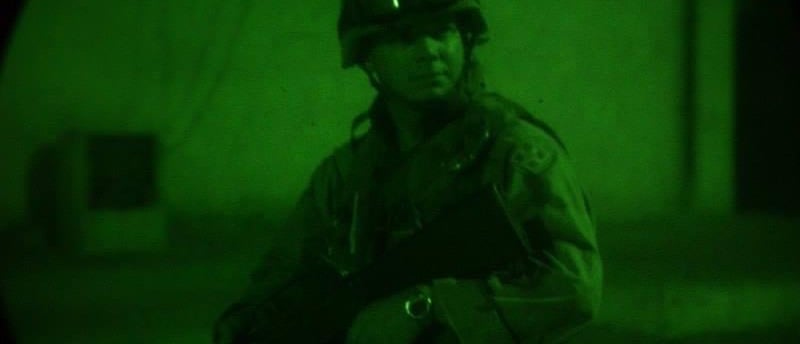
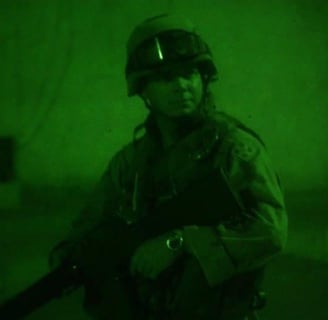
I physically left Iraq in 2004.
But mentally? I stayed there for nearly two decades.
I came home to my family, but I wasn’t really present. I was hypervigilant, exhausted, and emotionally absent. My anger became a weapon that left emotional shrapnel embedded in the people I loved most.
I didn’t understand why.
I didn’t know how to explain the sleepless nights, the gnawing guilt, the flashbacks, or the crushing weight of the choices I had made, the ones I didn’t, and the result of things that happened that were my responsibility but happened in my absence.
For years, I told myself I just needed to “get over it.” That didn’t work.
Because this wasn’t something you get over.
It was PTSD.
It was moral injury.
And together, they created a hell I wouldn’t wish on anyone.
This is the war no one saw—and the one that nearly broke me.
The Weight of an Invisible War
You don’t need to have worn a uniform to know this war.
It’s the paramedic replaying the call they couldn’t save.
It’s the nurse who made the impossible triage decision in the ICU during COVID.
It’s the survivor asking why they didn’t fight harder.
When trauma takes hold, it doesn’t just leave scars—it rewires your brain and body. When guilt and shame sink in on top of that, it becomes a war fought on two fronts.
PTSD vs. Moral Injury (Non-Clinical Explanation)
At first glance, PTSD and moral injury seem similar. Both can result from traumatic events. Both leave people stuck in cycles of pain and avoidance. But they come from different wounds—and need different forms of healing.
PTSD: The Fear That Stays
Post-Traumatic Stress Disorder is the brain and body’s response to life-threatening danger.
It’s survival mode stuck in overdrive.
Your nervous system keeps scanning for threats, even when you’re safe.
You:
Hear a loud bang and hit the floor.
Can’t stand crowded spaces.
Avoid certain smells, sounds, or places because they send you spiraling.
Your body thinks it’s protecting you. But it’s exhausting—and isolating.
Moral Injury: The Guilt That Won’t Leave
Moral injury doesn’t come from fear. It comes from a violation of your own deeply held values.
You:
Made a split-second choice you can’t forgive.
Witnessed something you couldn’t stop.
Feel you betrayed yourself, others, or your faith.
It isn’t about “what happened to you.” It’s about what you did—or didn’t do—and what that means about who you are.
You replay it endlessly.
You question your worth.
You pull away from loved ones because you feel unworthy of love.
Where PTSD shouts, “You’re not safe,”
Moral injury whispers, “You’re not good.”
PTSD vs. Moral Injury (Clinical Explanation)
PTSD
Defined in the Diagnostic and Statistical Manual of Mental Disorders (DSM-5) as a response to actual or threatened death, injury, or violence.
Symptoms include:
Intrusive memories and flashbacks
Avoidance of reminders
Negative changes in mood and thinking
Hyperarousal (irritability, insomnia, hypervigilance)
(American Psychiatric Association, 2013)
Moral Injury
Not formally included in the DSM, but widely recognized in psychological literature.
Defined as:
“Perpetrating, failing to prevent, or witnessing acts that transgress deeply held moral beliefs and expectations.”
(Litz et al., 2009)
Symptoms include:
Profound guilt and shame
Spiritual or existential distress
Loss of trust in others and self
Social withdrawal and self-condemnation
Moral injury often occurs in combat, but also in first responders, healthcare workers, abuse survivors faced with impossible ethical choices, and others.
When PTSD and Moral Injury Collide
For some of us, it’s not either/or—it’s both.
PTSD keeps your body in a constant state of fear.
Moral injury poisons your thoughts and spirit.
Together, they create an emotional and mental hell:
Hypervigilance on the outside, numbness on the inside.
Sleepless nights haunted by both what you saw and what you did.
Anger that erupts like a bomb… and guilt that consumes you afterward.
I lived this cycle for years.
The flashbacks kept me locked in Iraq.
The shame told me I didn’t deserve peace.
And every outburst at home reinforced the voice whispering, “See? You’re still the problem.”
This isn’t just trauma. It’s self-punishment on a loop.
Why This Distinction Matters
Treating PTSD without addressing moral injury is like patching a hole in the roof while the foundation crumbles.
Fear-based therapies [like prolonged exposure (PE) therapy] might calm flashbacks and hypervigilance, but they don’t touch the deep self-condemnation of moral injury.
Moral injury needs a different approach:
Meaning-making
Forgiveness (especially of self)
Reconnecting with values and purpose
Healing both requires layering these approaches: calming the body and repairing the relationship with yourself.
The Path Forward
I didn’t heal overnight.
But the work began when I stopped trying to bury it all — and started facing it.
I learned tools to calm my nervous system.
I found people who understood.
I walked a labyrinth and left my burdens in its center.
And for the first time, I felt a sense of relief.
Healing moral injury and PTSD doesn’t mean forgetting.
It means learning to carry the memory without it crushing you.
This is what psychologists call posttraumatic growth—finding meaning, resilience, and even new purpose after trauma (Tedeschi & Calhoun, 1996).
You’re not broken. You’re carrying a weight no one trained you for. And you don’t have to carry it alone.
Call to Action
If this sounds like your story, know this:
There’s nothing wrong with you. There’s only what’s happened to you—and what’s been left unspoken.
Let’s talk. The first step isn’t easy. But it’s worth it.
References
American Psychiatric Association. (2013). Diagnostic and statistical manual of mental disorders (5th ed.). Arlington, VA: American Psychiatric Publishing.
Litz, B. T., Stein, N., Delaney, E., Lebowitz, L., Nash, W. P., Silva, C., & Maguen, S. (2009). Moral injury and moral repair in war veterans: A preliminary model and intervention strategy. Clinical Psychology Review, 29(8), 695–706. https://doi.org/10.1016/j.cpr.2009.07.003
Tedeschi, R. G., & Calhoun, L. G. (1996). The Posttraumatic Growth Inventory: Measuring the positive legacy of trauma. Journal of Traumatic Stress, 9(3), 455–471. https://doi.org/10.1002/jts.2490090305